
sell your gold in ct
If you’re asking where to sell gold in CT, you’ve come to the right place!
CT Gold & Silver is one of Connecticut’s most trusted gold buyers, with five convenient locations statewide and thousands of satisfied customers who return to us time and again.
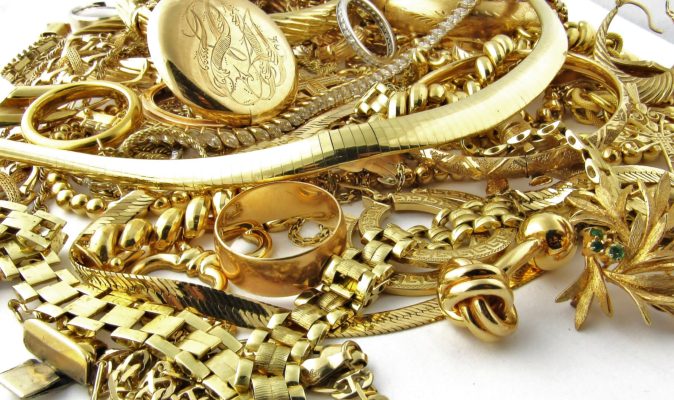
As experienced gold buyers, we buy old jewelry, scrap gold, broken pieces, bullion bars, and more – no appointment necessary, and no amount of gold too small or too damaged to evaluate. Every item is carefully assessed by knowledgeable staff using industry-standard testing methods, so you can feel confident you’re getting an honest, transparent offer.
Whether you’re clearing out a jewelry box, downsizing a collection, or simply looking to sell your old gold, our team is here to make the process quick, easy, and worry-free.
gold items we buy
Scrap Gold
Unwanted Gold
Gold Rings
Gold Bracelets
Gold Necklaces
Gold Earrings
Gold Watches
Gold Bullion
Gold Ingots
Gold Bars
Gold Nuggets
Engelhard
Credit Suisse
APMEX
And more!
Gold Coins
Liberty
Eagles
Double Eagles
St. Gaudens
Krugerrands
Maple Leafs
FREQUENTLY ASKED QUESTIONS (FAQ)
What does ‘karat’ (k) on my gold jewelry mean?
“Karat” is referring to the purity of your gold. Pure gold is 24k (24/24 parts gold). Because pure gold is very soft, it is often mixed with other metals to make jewelry durable enough for daily wear. For example, a 10k piece is 10 parts gold and 14 parts other metals (about 41.7% pure), while 14k is 14 parts gold and 10 parts other metals (about 58.5% pure).
What are common gold purities I might see in jewelry?
• 10k: Very durable and great for daily wear; 41.7% gold.
• 14k: A very popular balance of durability and gold content, often used for rings and chains; 58.5% gold.
• 18k: Often seen in designer and other jewelry and has a richer, warmer color; 75% gold.
• 24k: Pure gold – this is very soft and usually found in bullion bars or coins rather than jewelry; 99.9% gold
How do you determine the purity of my gold jewelry?
We begin by inspecting your jewelry for manufacturer stamps, which allows us to sort items by their purity. To verify these markings, we use professional acid scratch testing. For heavier pieces or items that require further confirmation, we may occasionally file into an inconspicuous spot to acid test directly on the piece to ensure a completely accurate assessment.
Why is some of my jewelry marked “12k GF” or “12k 1/20”?
Gold-filled jewelry, often marked as “GF,” is not solid gold. Instead, it consists of a substantial layer of genuine gold that has been heat-bonded to a base metal, such as brass. Because this layer is significantly thicker than what you find on gold-plated items, it is much more durable and resistant to wear. You might see markings like “12k GF” or “12k 1/20,” where “1/20” indicates that the gold layer makes up 1/20th of the total metal weight. While these pieces do contain a layer of real gold, they do not hold the same melt value as solid gold items.
Do you buy old, broken, or single pieces of gold jewelry?
YES! We do not care the condition of your jewelry, as we are buying it to melt.
HISTORY OF GOLD
Gold has long been prized for its relative scarcity, ease of handling and minting, and resistance to corrosion. Its distinctive color and malleability have made it ideal for various uses, including coinage, jewelry, and investments.
Historically, many countries adopted a gold standard, where the value of their currency was directly tied to a specific amount of gold. However, the U.S. ceased minting gold coins for circulation in the 1930s. Globally, the gold standard was abandoned in favor of a fiat currency system after 1976.*
* Information adapted in part from the website Prehistoric Oregon.