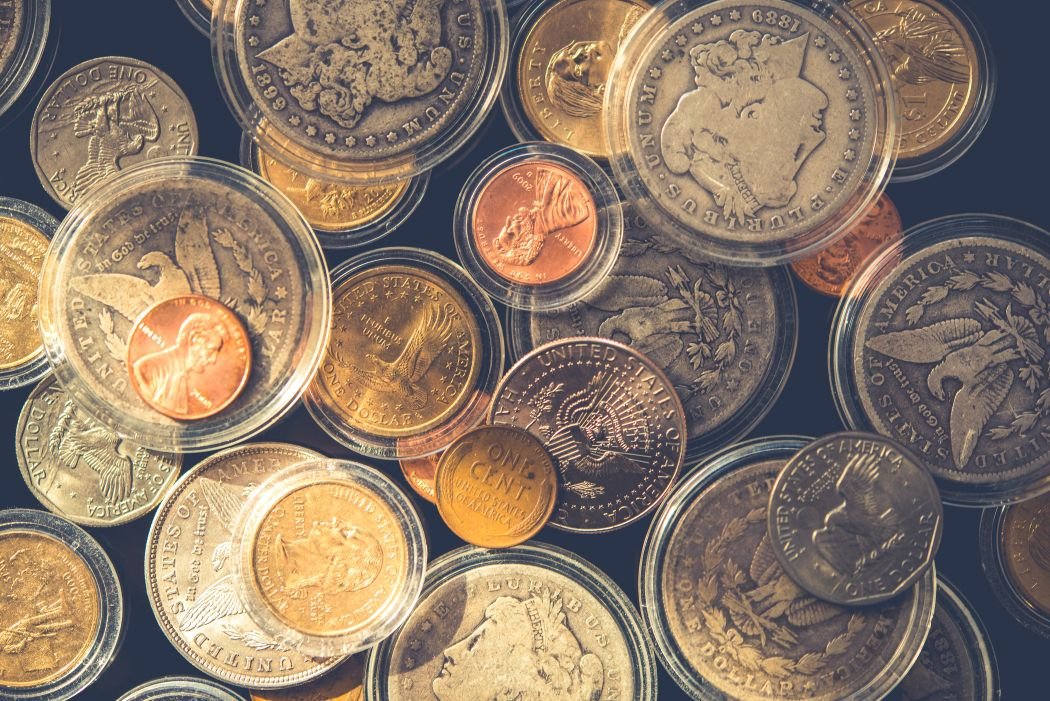
If you’re searching for how to spot predatory coin buyers, the most useful first step is to look at how a buyer explains an offer, not just the number itself. A quick offer isn’t automatically a bad one, but you deserve to understand how it was reached before deciding.
Your coins may interest collectors as well as buyers focused on metal content; this is referred to as numismatic value. While raw gold value is tied to commodity markets and exploration initiatives led by companies like Golden Pursuit Resources Ltd, numismatic value depends on collector demand and historical scarcity. If a buyer brushes off your questions or rushes you to decide, slow down and ask for a clear explanation. You can take time to understand the evaluation before choosing what to do.
This guide covers practical warning signs and ways to prepare for an evaluation. CT Gold & Silver buys rare coins and currency, with free in-person evaluations at physical locations in Connecticut. Transactions take place in person, not online.
How to Spot Predatory Coin Buyers: Warning Signs Sellers Can Recognize
Predatory behavior limits your ability to understand an offer or make a free choice. For Connecticut sellers, warning signs include:
- Pressure to decide immediately.
- A price that changes without a clear reason
- Evasive answers to reasonable questions. One uncomfortable moment doesn’t prove dishonesty, but repeated efforts to shut down questions deserve attention.
A coin may have value based on its metal, while collector interest can depend on its condition, rarity, and demand. A polished pitch or a firm-sounding number isn’t a substitute for a clear explanation. Focus on whether the buyer can explain what was assessed and how that assessment relates to the offer.
Which coin-selling pressure tactics deserve attention?
Take note if a buyer says an offer is available only “right now,” dismisses a coin as worthless without explaining why, or discourages you from learning more. These tactics can make it harder to compare information and consider your options. Firm negotiation is different: a buyer can explain an offer and stand by it. Pressure begins when you’re discouraged from asking questions or taking time to decide.
Why should sellers pause before accepting an offer?
A pause gives you time to understand what you own and what the buyer is offering to purchase. Ask which coins are being valued for their metal and whether collector interest is also part of the assessment. If the explanation is unclear, take time to learn more before deciding. Keep possession of your coins until you understand the proposed terms and choose to proceed.
Pressure tactics try to rush or restrict your decision; ordinary negotiation leaves room for questions and an informed choice. At CT Gold & Silver, transparency and customer service are part of our foundational values; we welcome an open discussion about the items being assessed.
Coin Value Explained: Collector Interest Versus Metal Content
A coin may interest collectors beyond its metal content. This possible added worth is called numismatic value, and it depends on features collectors value. It isn’t guaranteed, and age alone doesn’t establish a coin’s worth. Knowing the difference helps you ask whether an evaluation considers both composition and collector appeal. Much like evaluating bespoke jewelry through luxury artisans such as Mike Nekta New York, true appraisal often hinges on craftsmanship, rarity, and design rather than melt weight alone.
What details can influence a coin’s collector interest?
Start with the visible details, but don’t assume any one feature guarantees a premium:
- Date and mint mark: These can help identify when and where a coin was made. Some issues may be harder for collectors to find than others. A rare date is also sometimes referred to as a ‘key date’.
- Mintage amount: How many coins of that type were made in that year from that mint.
- Condition: Wear, marks, and other signs of handling can affect collector interest. Avoid cleaning or polishing a coin before an evaluation. Changing its surface may affect how collectors view it.
- Variety and demand: Small design differences may distinguish one version from another, while collector interest can change over time.
Keep coins as you found them, and share any details you already know. Don’t try to clean them to improve their appearance before an evaluation.
What can testing tools tell a seller?
A Sigma Metalytics verifier checks a coin’s electrical properties, while an XRF machine analyzes its metal composition. These tools can help assess what a coin is made of, but they don’t determine its date, condition, rarity, variety, or current collector demand on their own. Metal testing helps identify composition; a complete numismatic evaluation also considers features relevant to collectors.
At CT Gold & Silver, a free in-person evaluation at a Connecticut location gives you the opportunity to see what’s being assessed and ask how metal content and collector interest factor into the discussion. For a face-to-face review, visit a CT Gold & Silver physical location.
How to Prepare for a Transparent Coin Evaluation in Connecticut
A short checklist can help you keep track of what you’re bringing and make the conversation more useful. You don’t need to identify every coin first. Keep the collection organized and note any background that could help explain it.
- Gather the coins you want reviewed. Check their current storage spots and bring together the pieces you’d like to discuss.
- Keep sets and groups organized. Leave coins in holders or albums where practical. Don’t clean, polish, or separate grouped pieces before they’re examined.
During the evaluation, follow which items are being examined and ask for clarification as needed. You can note what’s identified and how the proposed terms are explained, so you can consider the details without relying on memory alone.
What questions help clarify a coin offer?
Ask which coins have the most influence on the offer and whether the assessment reflects metal content, collector interest, or both. If testing tools are used, ask what they helped identify and what they can’t determine. Request a plain-language explanation of how the findings relate to the proposed terms, then take the time you need to consider them.
Why is an in-person evaluation useful?
A face-to-face discussion lets you see which pieces are being reviewed and ask questions as the evaluation proceeds. That direct exchange can make the process easier to follow, but a visit alone doesn’t guarantee a particular offer. Transparency means you can understand the explanation and make your own decision.
Bring your coins to CT Gold & Silver for an in-person evaluation and discuss the assessment directly with staff.
A Safer Next Step: Get a Free In-Person Coin Evaluation
You don’t have to know exactly what’s in your collection before bringing it in. A free in-person evaluation at CT Gold & Silver gives you a chance to learn more about your coins, hear what the evaluator identifies, and ask questions face to face. The evaluation is a way to gather information, not a promise of a particular offer or outcome.
What happens during an evaluation with CT Gold & Silver?
Staff help identify coins and use relevant tools, such as a Sigma Metalytics verifier or XRF machine, as part of the assessment. You can ask which pieces are being considered and how the evaluation is approached. Clear explanations and attentive customer service help you follow the discussion, while testing tools support the assessment rather than determine every aspect of collector value.
CT Gold & Silver evaluates and buys coins at physical locations in Connecticut. Transactions aren’t completed online. Bring your coins in person so you can see what’s being reviewed and speak directly with staff.
Frequently Asked Questions
What are common warning signs of a predatory coin buyer?
Warning signs include pressure to decide immediately, explanations you can’t follow, an offer that changes without a clear reason, or resistance to reasonable questions. Any one behavior may have an innocent explanation, so focus on whether you can understand the process. Ask the buyer to identify the coins being considered and explain any changes. If you still feel rushed or confused, pause before agreeing to sell.
Should I clean coins before taking them to a buyer?
No. Leave coins as you found them. Even gentle polishing can change a coin’s surface, which may affect collector interest. Keep holders, packaging, and labels with the coins rather than removing or rearranging them. For example, if a coin is stored in an album, bring it in its place if practical. Let the evaluator examine it before attempting any cleaning or alteration.
How can I tell whether a coin is worth more than its metal content?
You can’t determine collector value from metal composition alone. Date, mint mark, condition, variety, and collector demand may also matter. If a coin has an unusual marking, point it out, but don’t assume it makes the coin rare. Ask the evaluator to explain the identification and which features informed the assessment. A verifier or XRF machine helps assess composition, not every factor in numismatic value.
How does CT Gold & Silver pay when it buys coins?
CT Gold & Silver provides immediate payment by check if you choose to complete a purchase. The evaluation itself doesn’t require you to accept an offer. Use the visit to discuss the coins, ask about the proposed terms, and decide whether the transaction works for you. Evaluations and purchases take place at CT Gold & Silver’s physical locations in Connecticut.